
Winter brings coziness, holidays and calm – but also serious challenges for the body. During this period, a huge number of people begin to notice the first signs of a weakened immune system: frequent coughing, throat irritation, easy fatigue and slower recovery.
The cause isn't just "the cold." In fact, winter creates ideal conditions for the immune system to decline, which opens the door to viruses and infections.
Let's look at the main factors.
Less sunlight → lower vitamin D
In winter the day is short, we spend more time indoors and there is almost no strong sunlight. This leads to a sharp drop in the natural synthesis of vitamin D, which is critical for immune cell function.
The result:
-
slower immune response
-
higher risk of colds and flu
-
more frequent respiratory tract inflammation
Cold, dry air → a favorable environment for viruses
Cold narrows the blood vessels in the nasal mucosa and reduces local defense. Dry air dries out the mucous membranes – our natural barrier against viruses.
When this barrier is weak, viruses penetrate more easily, which
More time indoors and close contact with other people
Offices, transport, schools, holiday gatherings – in winter people spend more time in enclosed spaces. This increases the circulation of viruses.
Close contact spreads infections many times faster.
Winter stress and less physical activity
Shorter days and limited movement raise cortisol levels – the stress hormone. Chronic stress directly suppresses the immune system, which makes us more vulnerable.

How to recognize a weakened immune system?
A weakened immune system rarely shows itself suddenly. Usually the body sends clear warning signals that, if noticed in time, can help prevent more serious illness. Here are the most common signs and what they actually mean:
-
Frequent colds or infections
If you catch a cold 2-3 times a month, or fall ill at the slightest contact with a virus, this shows the body isn't managing to build a strong enough protective response.
If it takes you weeks to feel well after an ordinary cold, this means the immune cells aren't working optimally and the body "steals" more time for regeneration.
The immune system is directly connected to the nervous and hormonal systems. When it is weakened, the body redistributes its energy, which leads to a feeling of exhaustion even without heavy physical exertion.
So-called "brain fog" is often a consequence of chronic inflammation and imbalances in the immune system. The brain works with more difficulty, focus decreases, and thinking feels "slowed down."
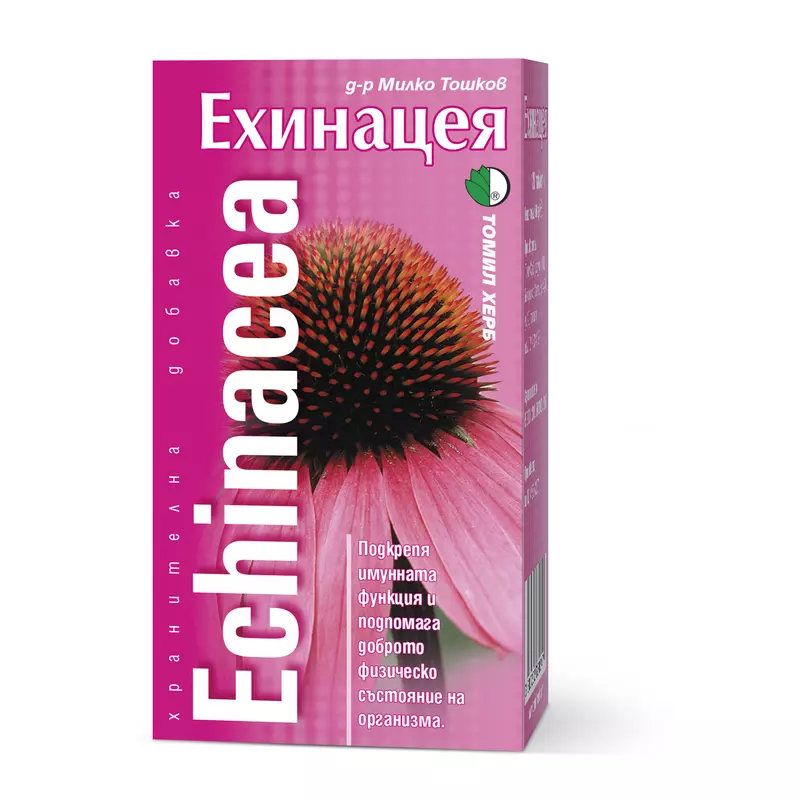
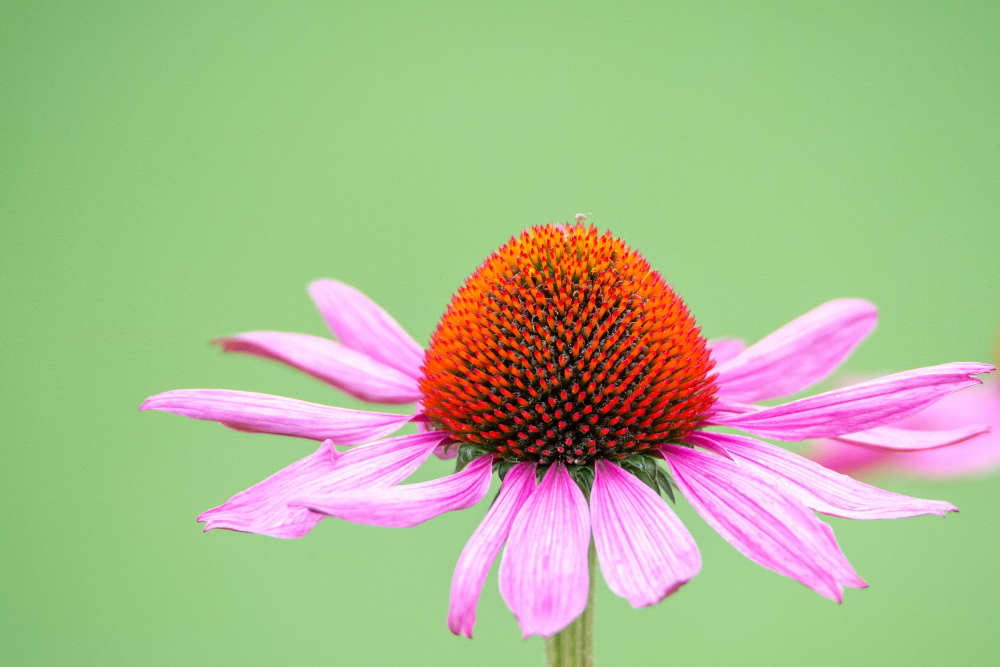
1. Echinacea (Echinacea)
Echinacea is one of the most researched herbs in the world when it comes to the immune system. It stimulates the production and activity of white blood cells, which are the first line of defense against viruses and bacteria.
This makes it especially useful for:
Echinacea also supports quick recognition and neutralization of pathogens, which can reduce the severity and duration of winter infections.
2. Thyme (Thymus)
Thyme contains powerful essential oils (thymol, carvacrol), which have pronounced antiseptic, anti-inflammatory and expectorant properties. This makes it indispensable for winter respiratory complaints.
It helps to:
Thanks to these properties, thyme is traditionally used in many herbal formulas for bronchi, cough and colds.
Frequent cold sores, tonsillitis, sinusitis, or flare-ups of old problems are a sign that the body's defenses are failing to keep pathogens under control.
How do herbs support immunity and the respiratory system?
Bulgarian tradition is deeply connected to medicinal plants, and many of them have proven effects specifically in winter, when the body is under stress from cold, viruses and dry air. Here's how each of the key herbs works in depth:
-
-
Slow recovery after illness
-
Constant fatigue, low energy and low tone
-
Difficulty concentrating and mental fog
-
Increased susceptibility to infections
-
frequent colds
-
the first symptoms of infection
-
seasonal viral outbreaks
3. St. John's Wort (Hypericum perforatum)
Few people realize that emotional state and immunity are closely connected. The winter months often lead to so-called "winter blues" – a lack of tone, low mood, fatigue.
St. John's wort:
When the nervous system is in balance, the immune response is significantly stronger. This is why St. John's wort has an indirect but important role in supporting the body through winter.
4. White Oregano and Oregano (Origanum vulgare)
Bulgarian oregano and its relative, white oregano, are rich in natural phenols, which have antiviral, antibacterial and antifungal action.
They help the body to:
They are often used in winter formulas precisely because of their ability to actively limit the growth of pathogens.
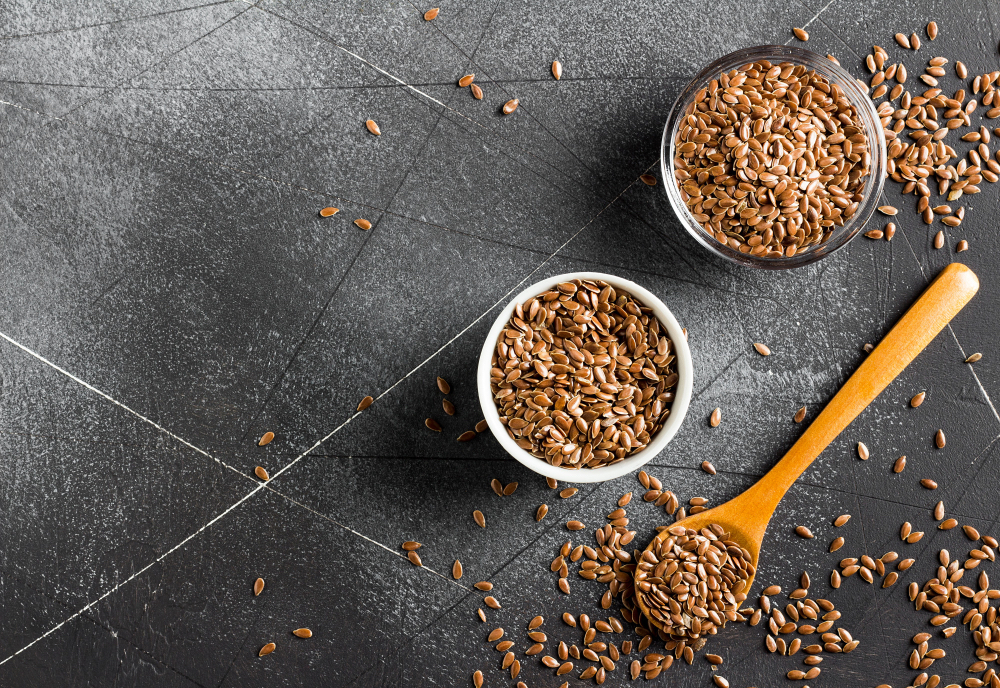
5. Flaxseed (Linum usitatissimum)
Flaxseed is rich in mucilage substances, which coat and soothe irritated mucous membranes in the throat and airways.
It helps with:
-
soothe a dry or irritating cough
-
stabilizes the nervous system,
-
supports the body's natural production of serotonin,
-
reduces the feeling of fatigue and tension.
-
fight off upper respiratory tract infections
-
relieve coughing and irritation
-
ease breathing when the mucous membranes are inflamed or swollen
-
stimulate faster clearing of the lungs
What else can we do to protect ourselves from coughs and colds?
Maintaining a strong immune system in winter doesn't depend on a single action, but on a combination of habits that help the body adapt to the cold season. Here are the most important and effective steps:
1. Get out into daylight for at least 20-30 minutes a day
Sunlight is a natural source of vitamin D – a key regulator of the immune system. Even a short walk around midday supports vitamin D synthesis, improves mood and reduces winter fatigue. This is one of the simplest, yet most powerful measures for better health during the cold season.

2. Sleep 7-9 hours of quality sleep
During sleep, the body produces antibodies and regenerates immune cells. Lack of sleep lowers the body's defenses and increases the risk of infection. Regular, deep sleep is one of the most powerful natural "immune modulators," but it is often underestimated.
3. Stay active – every day for 20-40 minutes
Moderate physical activity stimulates circulation, improves lung function and activates immune cells. Intense training isn't necessary – the following are enough:
Movement keeps the body in balance and reduces inflammatory processes, which makes it more resistant to colds and coughs.
-
a dry, "scratchy" cough
4. Avoid excessive heating, which dries out the air
Overheating rooms lowers air humidity. Dry air irritates the throat, dries out the nasal mucosa and weakens the body's natural barrier against viruses. Cooler, fresher rooms support breathing and reduce the risk of winter infections.
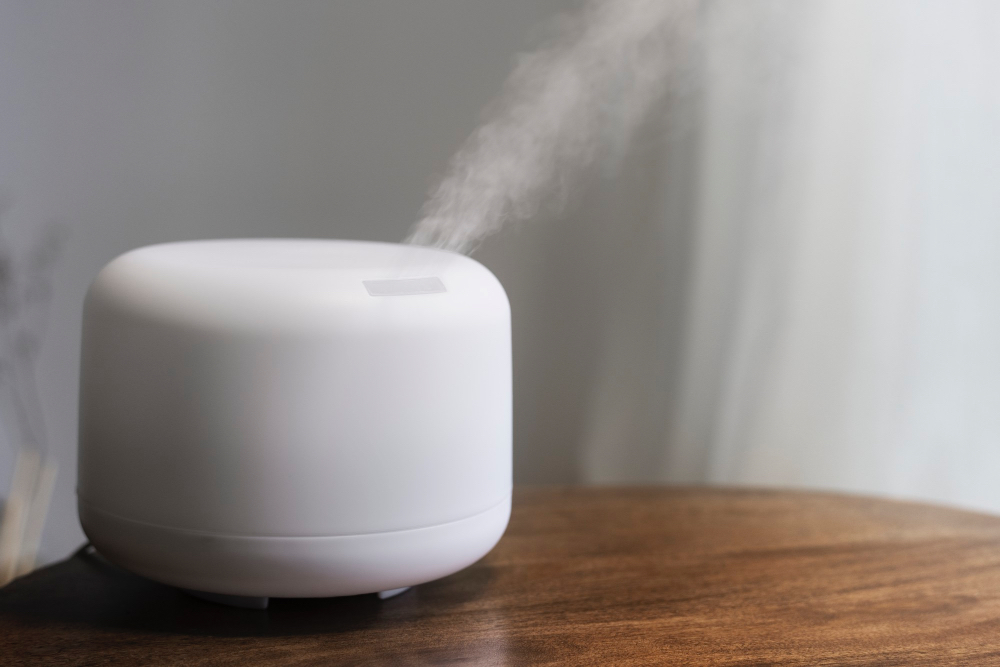
5. Humidify the air at home
In dry air, viruses stay in the environment much longer, and the mucous membranes become more prone to inflammation. A humidifier, a bowl of water on the radiator, or regular airing regulate humidity and keep the airways healthy and protected.
6. Reduce stress – it directly weakens immunity
Chronic stress raises cortisol, which blocks the production of immune cells and increases inflammatory processes in the body. Even brief daily practices make a huge difference:
A balanced nervous system means stronger protection against seasonal viruses.
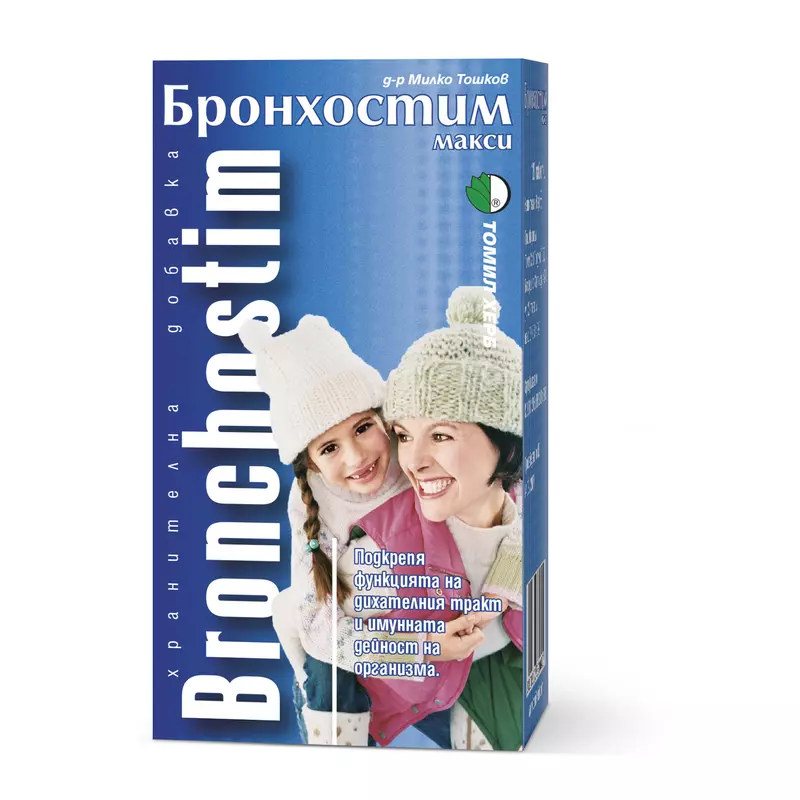
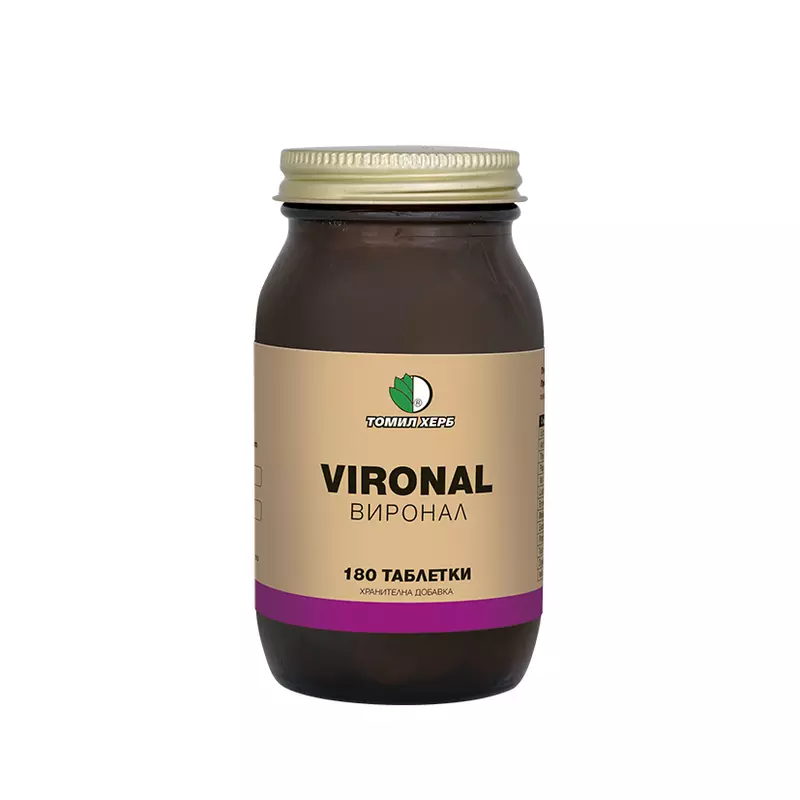
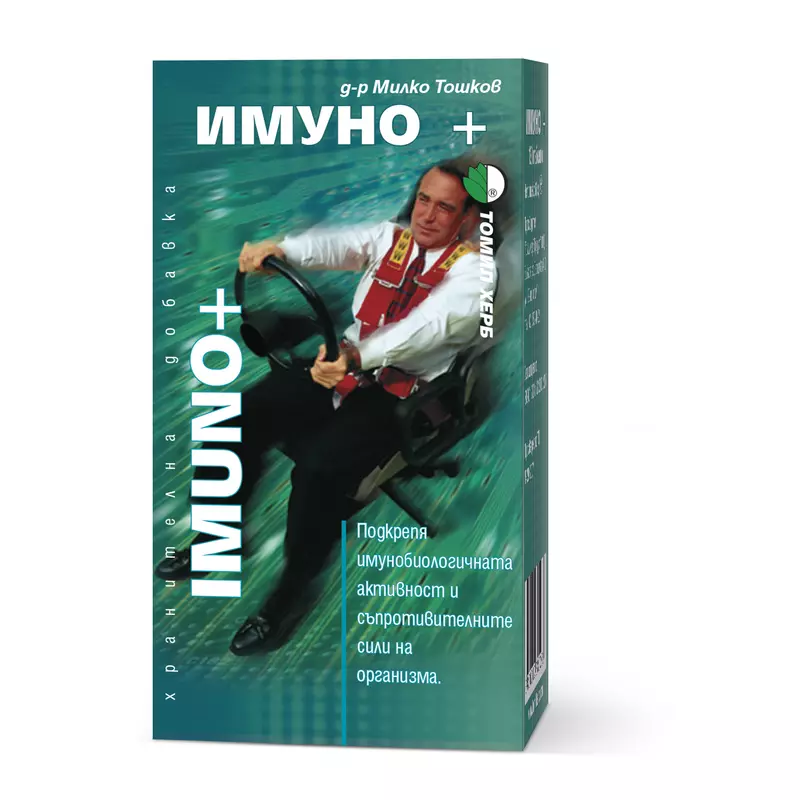
7. Support your body with quality herbal products
Natural formulas based on Bulgarian herbs support immunity and the respiratory system in a gentle, natural way. In winter the body needs:
Tradition, science and experience – the power of Dr. Milko Toshkov's herbal formulas
Tomil Herb develops its herbal supplements based on the original recipes of Dr. Milko Toshkov – a Bulgarian doctor who has devoted his professional career to creating natural, gentle and highly effective formulas.
His philosophy is simple, yet extremely effective:
"When herbs are combined in the right proportions, they work in synergy and achieve a multiplied, stronger effect."
This exact principle stands behind every Tomil Herb formula. Thanks to decades of clinical experience and systematic observation, balanced herbal combinations have been created that:
Quality that comes from Bulgarian nature
In our products we use only Bulgarian herbs, hand-picked from the country's cleanest regions – the Rhodopes, Rila, Pirin and the Stara Planina. In our own facility they undergo a specialized sterilization process, which guarantees a high level of purity, safety and quality.
This is exactly why Tomil Herb products have been preferred by thousands of people for over 25 years.
-
brisk walking
-
10 minutes of meditation
-
deep breathing
-
listening to calming music
-
setting aside time for yourself
-
support the normal function of the immune system;
-
relieve coughing and inflammation in the respiratory tract;
-
support recovery after illness;
-
reduce winter fatigue and general weakness;
-
support the body in a natural and long-term way.
-
herbs with antimicrobial action (thyme, oregano, white oregano)
-
expectorant plants (thyme, flaxseed)
-
immunomodulating herbs (echinacea)
-
adaptogens for stress and fatigue (St. John's wort)
-
-
yoga
-
home workouts
-
light exercises
-
-
hoarseness and irritation
-
a sore throat
-
inflamed respiratory tissue
-
-
loosen secretions during a wet cough
-
relieve a stuffy nose
-
reduce inflammation in the throat and airways
-
-
Persistent or recurring cough
A cough that drags on for weeks, or reappears shortly after an infection has passed, is a sign that the respiratory system and local immunity are weakened.
A sore throat is often the result of inflamed mucous membranes. When they are weak, viruses penetrate more easily and cause frequent complaints.
often leads to:
-
dry or productive cough
-
sore throat
-
stuffy nose